Crude Treatment Technology — Metal Ions, Sulfur, Chlorides
Solutions
Crude Treatment Technology — Metal Ions, Sulfur, Chlorides
Vanadium, iron, nickel, sulfur, and chloride contamination costs producers millions in refinery penalties every year. AS Corp's proprietary treatment chemistry removes these contaminants at the source — before they reach the refinery gate.
Metal Ion Removal
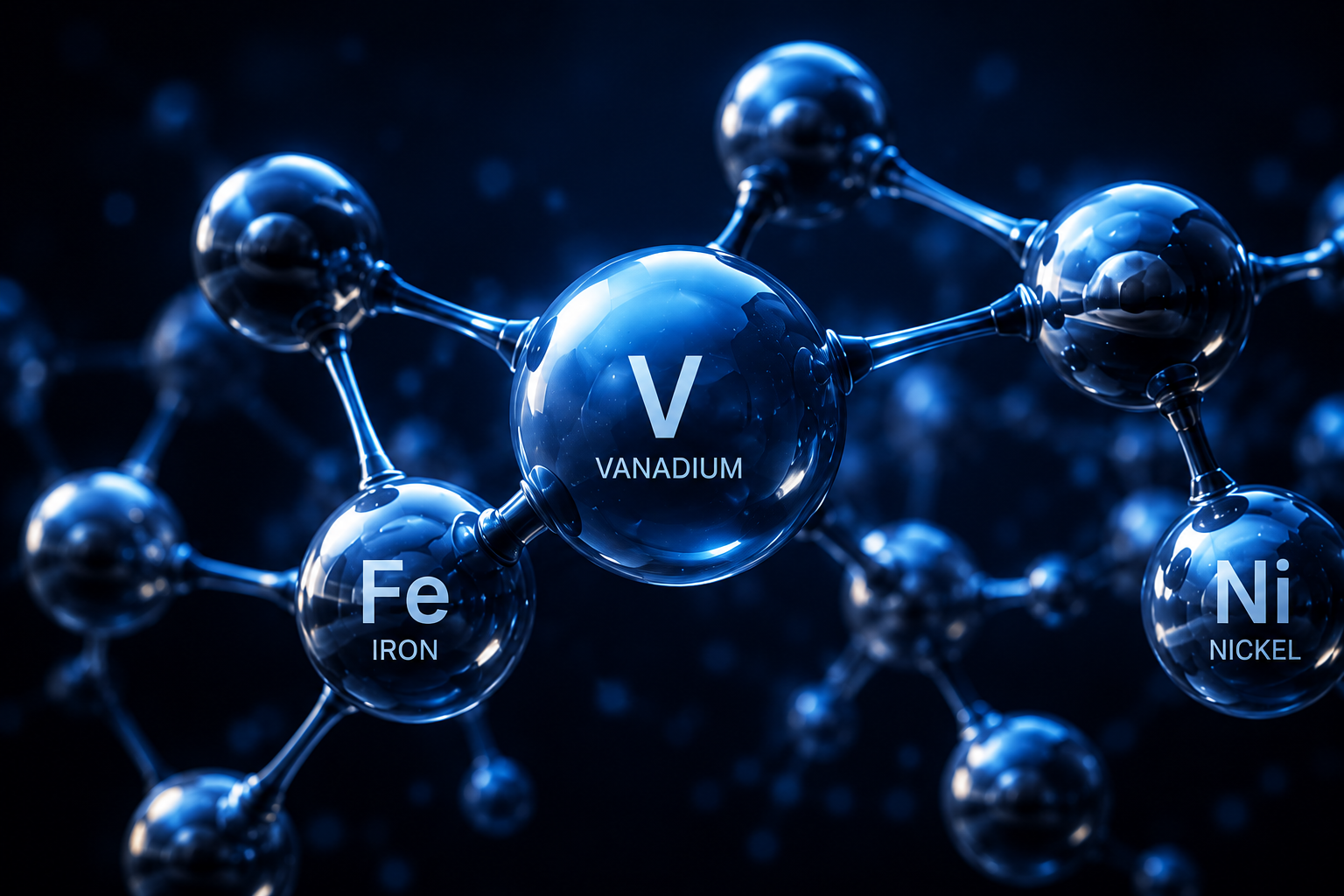
Elevated concentrations of vanadium, iron, nickel, calcium, magnesium, and sodium in crude oil cause catalyst poisoning, fouling, and corrosion throughout the refining process. AS Corp's proprietary treatment chemistry selectively extracts these metal ions at the wellhead or midstream — before they reach the refinery.
- Targets vanadium, iron, nickel, calcium, magnesium, and sodium
- Prevents fluid catalytic cracking (FCC) catalyst poisoning from vanadium and nickel
- Eliminates iron-driven fouling in heat exchangers, distillation towers, and hydrotreaters
- Reduces calcium and magnesium deposits that cause scale and plugging
- Removes sodium to protect downstream desalting and distillation units
- Applicable at wellhead, gathering, or pipeline injection points
Crude arrives at the refinery gate with metal-ion concentrations within specification — eliminating catalyst replacement costs, unplanned shutdowns, and quality penalties.
Sulfur Reduction
High sulfur content in crude oil drives refinery processing costs upward and triggers regulatory penalties. AS Corp's sulfur treatment program reduces total sulfur loading in the crude stream, easing the burden on hydrotreating units and enabling compliance with low-sulfur product mandates.
- Reduces total sulfur content in crude prior to refinery intake
- Lowers hydrogen sulfide (H₂S) concentration in the vapor phase
- Decreases hydrotreating severity requirements and hydrogen consumption
- Supports compliance with ultra-low sulfur diesel (ULSD) and gasoline standards
- Compatible with sour crude grades from Eagle Ford, Permian, and other basins
- Reduces corrosion in pipelines, storage tanks, and refinery equipment
Producers deliver lower-sulfur crude that commands better pricing, while refineries reduce hydrotreating costs and meet clean fuel specifications with less effort.
Chloride Removal
Chloride salts — including magnesium chloride, calcium chloride, and sodium chloride — hydrolyze under refinery heat to form hydrochloric acid (HCl), one of the most destructive corrosives in the refining process. AS Corp removes chlorides from the crude stream before they enter the refinery, protecting equipment and eliminating acid-driven corrosion.
- Removes inorganic chloride salts (MgCl₂, CaCl₂, NaCl) from crude oil
- Prevents HCl formation in atmospheric and vacuum distillation units
- Protects overhead condensers, heat exchangers, and column internals from acid corrosion
- Reduces neutralizer and inhibitor chemical consumption at the refinery
- Eliminates chloride-induced stress corrosion cracking in stainless steel equipment
- Lowers crude salt content (PTB) to meet refinery desalter inlet specifications
Refineries receive crude with dramatically reduced chloride loading — extending equipment life, cutting corrosion-related maintenance costs, and eliminating HCl-driven process upsets.

Refinery Specification Compliance
Every refinery sets intake specifications for metal content, sulfur, chlorides, BS&W, and API gravity. Missing those specs costs producers money through quality discounts, rejection fees, and renegotiated contracts. AS Corp designs and executes targeted treatment programs that close specification gaps before delivery.
- Pre-delivery crude quality analysis against refinery intake specifications
- Targeted multi-contaminant treatment to close all specification gaps simultaneously
- Real-time monitoring and dosage adjustment throughout the treatment program
- Documentation, certification, and chain-of-custody reporting for each treated batch
- Coordination with refinery quality assurance and scheduling teams
- Ongoing program management and performance reporting
Producers capture full posted price on every barrel — no quality penalties, no discounts, no rejected loads.

Pipeline Corrosion Prevention
Metal ions and chloride salts in crude oil don't just damage refineries — they corrode pipelines, gathering systems, and storage infrastructure long before the crude reaches its destination. AS Corp's upstream treatment program removes the root-cause contaminants that drive internal corrosion, scale buildup, and microbiologically influenced corrosion (MIC).
- Removes iron, calcium, and magnesium ions that form scale and accelerate corrosion
- Reduces chloride concentrations that drive under-deposit and crevice corrosion
- Lowers H₂S levels that contribute to sulfide stress cracking (SSC) in high-strength steel
- Decreases total dissolved solids (TDS) that promote MIC in low-flow segments
- Extends inspection intervals and reduces pigging frequency
- Supports pipeline integrity management programs and regulatory compliance
Extended pipeline and infrastructure life, reduced maintenance and inspection costs, and fewer unplanned shutdowns from corrosion-related failures.

Field Services & Technical Consulting
Effective crude treatment starts with accurate diagnosis. AS Corp's field services team conducts on-site sampling, laboratory analysis, and treatment program design — then stays engaged through implementation to ensure results are achieved and sustained.
- On-site crude sampling and comprehensive laboratory analysis (metals, sulfur, chlorides, BS&W, API)
- Contaminant source identification and production system assessment
- Custom treatment program design with chemical selection and dosage optimization
- Field injection system installation, commissioning, and operator training
- Ongoing performance monitoring with monthly reporting and program adjustment
- Regulatory compliance consulting and documentation support
Operators gain a dedicated technical partner from initial assessment through long-term program management — with measurable, documented results at every stage.
Not Sure Which Solution You Need?
Not Sure Which Solution You Need?
Our technical team will assess your crude quality, production volume, and refinery requirements to recommend the right treatment program.